What Really Happens Inside an Electric Vehicle Battery

The battery is the defining component of an electric vehicle. It stores the energy that ultimately moves the wheels, powers climate systems, supports onboard electronics, and makes the entire vehicle function without a conventional combustion engine. Yet from the outside, a battery pack appears surprisingly simple: a large enclosed unit mounted beneath the vehicle.

Inside, however, thousands of individual processes are taking place.

Understanding how an electric vehicle battery works helps explain charging behavior, driving range, temperature management, degradation, and many of the differences between electric and combustion-powered vehicles.

From Cells to a Complete Pack

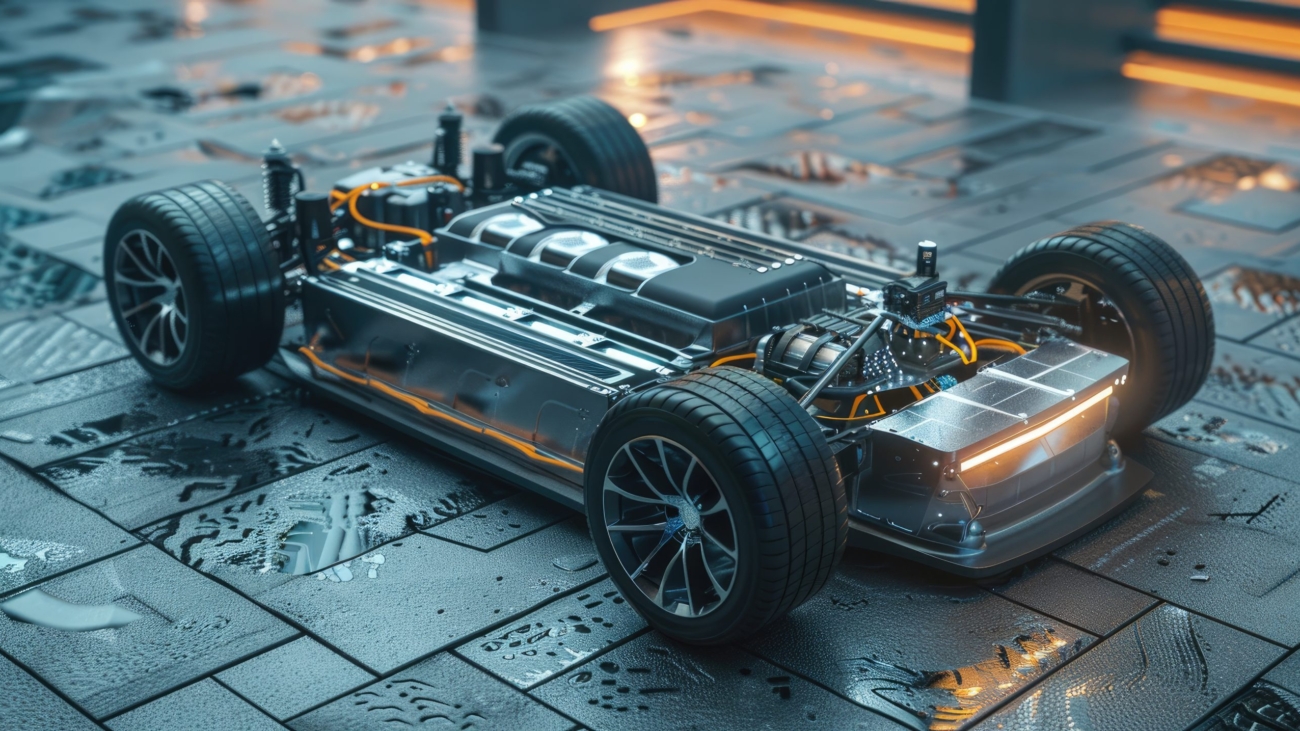
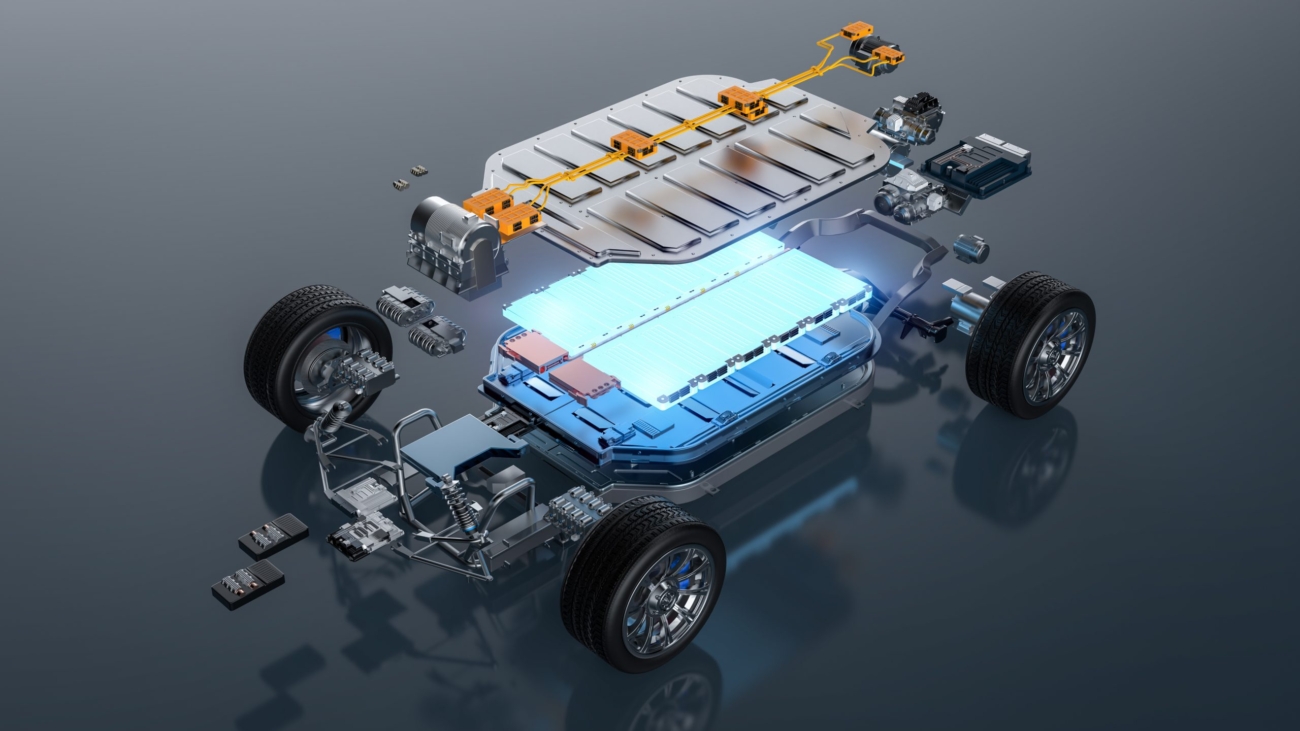
An electric vehicle battery is not one enormous cell. It is a collection of many smaller battery cells connected together.

These cells are organized into modules or other structural arrangements, depending on the vehicle’s design. The complete battery pack also contains electrical connections, sensors, cooling components, protective structures, and electronic control equipment.

The battery management system monitors important characteristics such as voltage, temperature, and state of charge. It helps keep individual cells operating within appropriate limits.

This monitoring is essential because the cells must work together as a coordinated system. Differences between individual cells can influence the overall performance of the pack.

Why Temperature Matters

Battery chemistry is sensitive to temperature.

Very cold conditions can temporarily reduce the amount of power available and may increase charging times. Extremely high temperatures can also affect battery performance and accelerate unwanted chemical processes.

For this reason, many electric vehicles use thermal management systems. Depending on the design, these systems can heat or cool the battery to maintain a more suitable operating range.

Some vehicles can prepare the battery before arriving at a fast charger. This process, often called battery preconditioning, can improve charging performance when conditions require additional heating or cooling.

Temperature management is therefore not simply a comfort feature. It is an important part of battery operation.

Why Batteries Lose Capacity

Battery degradation is a gradual process rather than an instant failure.

Over many charging and driving cycles, chemical changes occur inside the cells. Repeated exposure to very high or very low states of charge, extreme temperatures, and high-power charging can influence long-term battery behavior.

However, degradation is not necessarily uniform across all vehicles. Battery chemistry, thermal management, charging habits, driving conditions, and software strategies all contribute.

A battery that has lost some capacity can continue to function normally. Its practical range may simply become somewhat lower than when it was new.

Charging Is More Than Filling a Tank

Electric vehicle charging behaves differently from conventional refueling.

Charging speed is influenced by battery temperature, current state of charge, charger capability, vehicle limitations, and the battery’s charging curve.

A battery may accept high power when its state of charge is relatively low and gradually reduce charging power as it becomes fuller. This protects the battery and manages heat.

As a result, the time required to charge from a low state of charge to a moderate level can be very different from the time needed to charge from a moderate level to nearly full.

The Role of Battery Chemistry

Not all batteries use identical chemistry. Different technologies can emphasize different characteristics, including energy density, thermal behavior, durability, charging performance, cost, and material requirements.

Research continues into improved lithium-based chemistries as well as alternative approaches such as solid-state battery concepts.

No single battery chemistry solves every challenge. Increasing energy density may introduce different engineering requirements, while prioritizing longevity or material availability can involve other trade-offs.

Looking at the Battery as a System

The most useful way to understand an electric vehicle battery is not simply as an energy container. It is a complete engineered system.

Cells, cooling equipment, sensors, software, electrical components, and structural elements work together to manage stored energy safely and efficiently.

As battery technology develops, improvements are likely to come from many directions rather than from one dramatic breakthrough. Better chemistry, smarter software, improved thermal management, more efficient manufacturing, and stronger recycling processes can all contribute to the next generation of electric mobility.

Electric Vehicle Myths That Deserve a Closer Look

Electric vehicles have developed quickly, and public understanding has not always kept pace with the technology.

Some assumptions are based on older generations of electric vehicles, while others simplify complicated engineering questions into simple yes-or-no statements.

Looking more closely at several common ideas reveals a more nuanced picture.

Myth: Electric Vehicles Require No Maintenance

Electric vehicles generally have fewer drivetrain components requiring routine service than combustion-powered vehicles.

There are no conventional engine oil changes, spark plugs, or exhaust systems to maintain.

However, electric vehicles still have tires, brakes, suspension systems, steering components, cooling systems, cabin filters, windshield systems, and many electronic components.

Battery and charging systems also require appropriate inspections.

The maintenance schedule is different rather than nonexistent.

Myth: The Battery Will Suddenly Stop Working

Battery degradation is generally gradual.

As cells age, available capacity can decrease over time. The vehicle may provide less usable range than when new, but that does not mean the battery suddenly becomes completely unusable.

Severe battery failures can occur, but they are different from ordinary capacity degradation.

Battery management systems are designed to monitor operating conditions and protect the pack from various abnormal situations.

Myth: Every EV Charges at the Same Speed

Charging performance varies considerably.

Vehicle battery size, charging architecture, battery temperature, charger output, current state of charge, and software controls all influence charging speed.

Two vehicles connected to the same charging equipment may therefore receive energy at different rates.

Even the same vehicle can charge at different speeds during different sessions.

Myth: Fast Charging Always Damages the Battery

High-power charging creates additional thermal and electrical demands, but modern electric vehicles are designed with battery management systems that regulate charging.

The system can reduce power when temperatures or state of charge require it.

Battery longevity depends on many factors rather than one isolated behavior.

Following manufacturer charging recommendations is more useful than assuming that every fast-charging session automatically causes significant damage.

Myth: Electric Vehicles Have No Environmental Impact

Electric vehicles require raw materials, manufacturing energy, transportation, and complex battery production.

Their environmental impact therefore does not begin when they reach the road.

At the same time, their operating characteristics differ from vehicles that burn fuel directly.

A meaningful environmental comparison requires considering the complete lifecycle, including manufacturing, energy use during operation, battery production, maintenance, and end-of-life processing.

Myth: Electric Vehicles Are Completely Silent

Electric motors are quiet, especially at low speeds.

However, tires, aerodynamic airflow, suspension components, and other mechanical systems still produce sound.

Many vehicles also use artificial exterior sound at low speeds to help pedestrians detect their presence.

At higher speeds, tire and wind noise can become dominant.

Myth: Range Is Always Exactly What the Display Shows

The displayed range is an estimate.

It is influenced by recent driving efficiency, temperature, climate control use, terrain, speed, and other conditions.

A vehicle that has recently consumed more energy per kilometer may show a lower predicted range.

The estimate should therefore be treated as a practical forecast rather than a guaranteed distance.

Myth: Electric Vehicles Are All Designed the Same Way

Electric vehicles vary widely.

They use different battery chemistries, motor configurations, thermal-management strategies, charging architectures, body styles, and software systems.

Some prioritize efficiency, others emphasize performance, utility, comfort, or long-distance capability.

Electrification is a technology category rather than a single vehicle design.

Understanding Technology Instead of Choosing Sides

Electric vehicles are neither a magical solution to every transportation challenge nor a technology that can be accurately described through a handful of simple criticisms.

Their strengths and limitations depend on engineering choices, operating conditions, infrastructure, and individual use.

The most useful way to understand them is to examine how the technology actually works.

That approach replaces assumptions with practical knowledge and makes the rapid evolution of electric mobility easier to follow.

When Your Car Refuses to Start: Understanding the Starting and Charging Systems

Few driving experiences are more frustrating than turning the key or pressing the start button and hearing nothing but silence. A vehicle that refuses to start can disrupt an ordinary morning, interrupt a long journey, or leave its owner wondering where to begin.

Although a dead battery is a common explanation, the starting system involves several interconnected components. Understanding how these parts work together makes it easier to recognize possible causes and avoid unnecessary repairs.

The Battery: More Than a Source of Electricity

A vehicle’s battery provides electrical energy for starting and supports various systems when the engine is not running. Modern vehicles also depend on stable electrical power for electronic control modules, security systems, sensors, and comfort features.

Battery performance changes with age, temperature, and usage. Cold weather reduces the amount of power a battery can deliver, while high temperatures can accelerate internal deterioration.

Frequent short journeys may prevent the charging system from fully restoring the energy used during starting. Leaving interior lights or other electrical accessories operating while the engine is off can also discharge the battery.

Slow cranking, dim lights, or repeated starting difficulties may indicate a weakening battery. However, these symptoms can also result from electrical connections, charging problems, or starter-related faults.

What Happens When You Turn the Key

The starter motor is responsible for rotating the engine until combustion can begin independently. When the starting system receives the appropriate signal, electrical energy from the battery activates the starter mechanism.

A clicking noise during an attempted start may indicate insufficient electrical power, poor connections, or a faulty starter component. A single loud click can have different possible causes from repeated rapid clicking.

If the dashboard illuminates normally but the engine does not crank, the problem may involve the starter circuit, a safety interlock, the ignition system, or another electrical component.

Vehicles equipped with push-button starting systems may also depend on key-fob recognition, brake-pedal signals, or other electronic conditions. Checking the owner’s manual can help identify basic starting requirements.

The Alternator and Charging Process

Once the engine is running, the alternator generates electricity to support vehicle systems and recharge the battery. The charging system maintains the electrical supply needed for reliable operation.

A malfunctioning alternator may cause warning lights, unstable electrical performance, battery discharge, or unusual noises. In some vehicles, the symptoms can appear gradually, while in others they develop more suddenly.

A battery warning light does not automatically mean that the battery itself is defective. It may indicate a problem somewhere in the charging system, including the alternator, wiring, belt drive, or associated electronics.

Professional testing can distinguish between these possibilities more accurately than replacing parts based on symptoms alone.

Recognizing Problems Before They Become Emergencies

Pay attention to changes in starting behavior. An engine that previously started immediately but now requires several attempts deserves investigation.

Visible corrosion around battery terminals, loose connections, damaged cables, and unusual electrical behavior are additional reasons to arrange an inspection.

Battery terminals should be handled carefully. Electrical systems can produce dangerous short circuits, and incorrect jump-starting procedures may damage sensitive electronics or cause injury.

If jump-starting is permitted by the vehicle manufacturer, follow the exact procedure in the owner’s manual. Some vehicles have designated connection points or special requirements.

Why Preventive Testing Matters

Battery and charging-system inspections are particularly useful before periods of extreme temperatures or extended travel. A professional load test can assess battery condition more effectively than relying on its resting voltage alone.

Replacing a weak battery at an appropriate time is usually more convenient than discovering its limitations when the vehicle is needed most.

A reliable starting system is easy to take for granted because it works quietly in the background. Understanding its basic components, recognizing early symptoms, and checking electrical health periodically can help prevent unexpected interruptions.

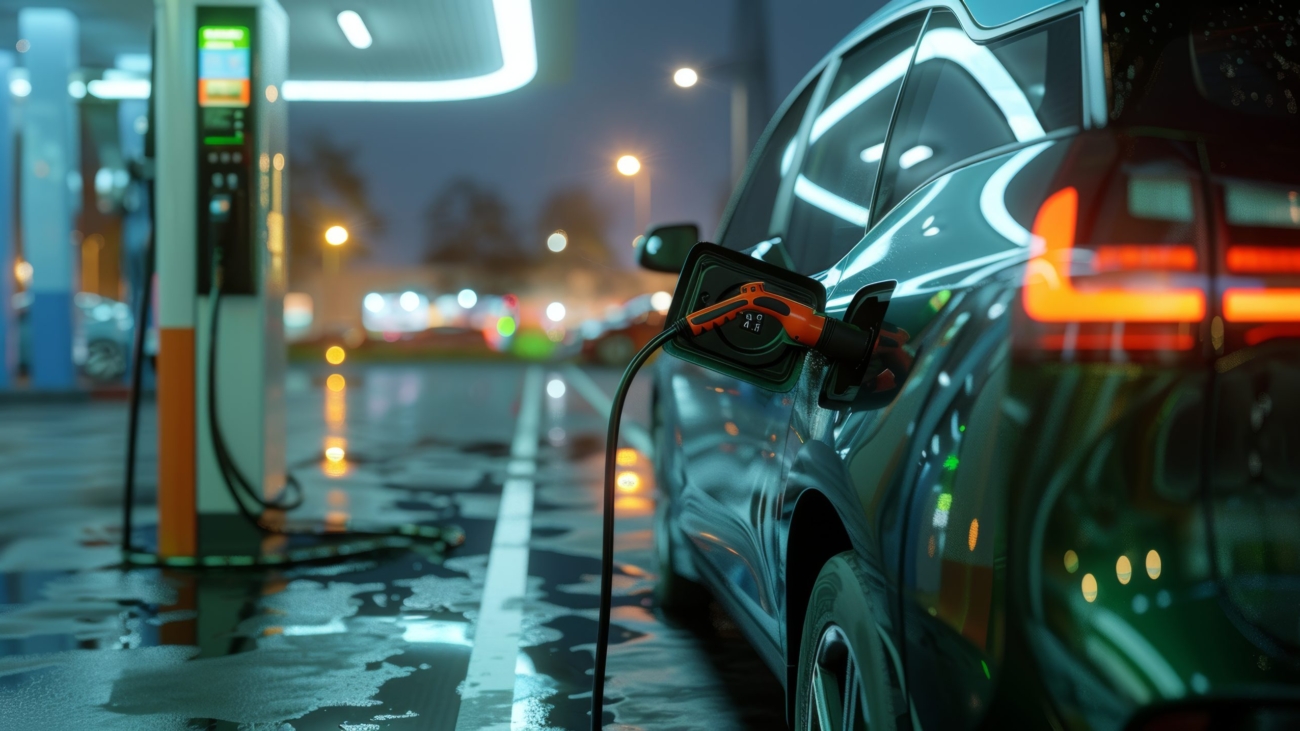
Charging an EV: From Overnight Power to Rapid Energy Stops

Charging is one of the most noticeable differences between owning an electric vehicle and driving a conventional combustion-powered vehicle. Instead of spending several minutes transferring liquid fuel into a tank, an electric vehicle gradually receives electrical energy through a charging system.

The process can be remarkably simple, but the actual charging experience depends on many variables.

Different Charging Speeds

Electric vehicles can generally be charged using different levels of electrical power.

Lower-power charging is often suitable for long periods when the vehicle is parked. A vehicle may remain connected for several hours while the battery gradually receives energy.

Higher-power charging can transfer energy much more quickly. These systems are particularly useful when a vehicle needs additional range during a journey.

However, charger power alone does not determine charging speed. The vehicle itself has a maximum charging capability, and the battery management system determines how much power can safely be accepted at a particular moment.

Why Charging Slows Down

One of the most misunderstood aspects of electric vehicle charging is the reduction in charging speed at higher states of charge.

When the battery is relatively empty, it may accept a large amount of electrical power. As the battery approaches a high state of charge, the vehicle typically reduces the power entering the pack.

This is comparable to filling a container carefully near the top rather than continuing at maximum flow.

The result is that charging from a low level to a moderate level can often be considerably faster than charging from a high level to completely full.

For everyday use, this can make partial charging more practical than waiting for a full charge every time.

Home Charging and Daily Routines

One major advantage of electric vehicles is the possibility of charging while the vehicle is parked for extended periods.

When charging equipment is available at home, a vehicle can potentially begin each day with a predictable amount of stored energy without requiring a separate stop during the morning routine.

Charging can also be scheduled in vehicles or charging systems that support timed operation.

This turns energy replenishment into something that can happen passively while the vehicle is already parked rather than becoming a separate task.

Fast Charging Has a Different Purpose

Rapid charging is particularly useful during longer journeys.

Instead of waiting for a complete recharge, drivers can add enough energy to continue traveling. The practical duration of a charging stop depends on battery temperature, starting state of charge, charger output, vehicle limits, and other conditions.

Frequent high-power charging is not automatically harmful, but it creates additional thermal and electrical demands. Modern battery management systems are designed to manage these conditions.

The vehicle may actively regulate charging power to keep the battery within appropriate operating limits.

Why Cold Batteries Can Charge Slowly

Temperature has a significant influence on charging.

A cold battery may initially accept energy more slowly because the chemical processes inside the cells operate differently at low temperatures. Vehicles with battery thermal management may warm the pack before or during charging.

This is one reason battery preconditioning can be useful before a high-power charging session.

The same principle explains why driving range and charging behavior can change noticeably between mild and very cold conditions.

Charging Habits and Battery Longevity

Different vehicles have different recommendations for everyday charging. Some manufacturers encourage keeping the battery within a particular state-of-charge range for routine use, while allowing higher levels when necessary for longer journeys.

Following the manufacturer’s instructions is more useful than relying on a universal charging rule.

Modern batteries are designed to withstand regular use, and their management systems include safeguards against overcharging and excessive operating conditions.

The important shift in thinking is that an electric vehicle does not need to be treated like a large electronic device that must always reach 100 percent. Charging is a flexible process that can be adapted to how the vehicle is actually used.

A New Way to Think About Refueling

Electric charging changes the rhythm of vehicle ownership.

Instead of every energy stop being a deliberate refueling event, charging can become integrated into parking, overnight routines, workplace stays, and longer journeys.

As charging technology continues to improve, the distinction between driving and charging is becoming less rigid. Energy can be added whenever the vehicle is naturally stationary, creating an entirely different relationship between transportation and time.

What Happens to an EV Battery After Its First Life?

An electric vehicle battery can remain useful long after it no longer provides the same range or performance expected from a new vehicle.

This raises an important question: what happens when a battery reaches the end of its first automotive life?

The answer is more complicated than simply throwing the battery away. Depending on its condition, chemistry, construction, and available processing technology, an aging battery can potentially be repaired, reused, repurposed, or recycled.

Battery Life Does Not End When Range Declines

Battery degradation is gradual.

A battery may lose part of its original energy-storage capacity over years of use, but that does not automatically make it useless.

An electric vehicle designed for a certain driving range may eventually become less convenient if its usable capacity declines significantly. However, the remaining cells can still contain valuable materials and usable electrochemical capacity.

The difference between automotive suitability and complete failure is important.

Repairing Battery Packs

Not every battery problem requires replacement of the entire pack.

In some designs, individual modules or components can potentially be diagnosed and replaced.

Repairability depends heavily on battery architecture, accessibility, manufacturer procedures, diagnostic equipment, and the nature of the failure.

A damaged battery should only be inspected or repaired by appropriately trained professionals because high-voltage systems can present serious electrical hazards.

Second-Life Applications

A battery that is no longer ideal for vehicle use may still work effectively in stationary energy storage.

Stationary systems do not require the same combination of weight, compactness, acceleration capability, and range demanded by a vehicle.

A battery with reduced automotive capacity could potentially store electricity in a building, support renewable energy systems, or provide backup power.

These applications are often described as second-life uses.

The feasibility depends on battery condition, remaining capacity, safety, economics, and the technical requirements of the new application.

Recycling Valuable Materials

Eventually, recycling becomes an important part of the battery lifecycle.

Modern batteries contain materials that can be recovered and processed for future use. Recycling methods vary according to chemistry and facility capabilities.

Some processes focus on recovering metals and other valuable components, while newer approaches aim to improve recovery efficiency and reduce energy requirements.

Effective recycling can reduce the need to obtain all future battery materials exclusively from new sources.

Battery Design and Recycling

The way a battery is designed can influence how easily it can be serviced or recycled.

Complex construction may improve structural strength or manufacturing efficiency while making disassembly more difficult.

Engineers therefore face multiple objectives when designing battery packs: energy density, safety, durability, cost, weight, manufacturing speed, repairability, and eventual recycling.

There is no single design that maximizes every characteristic simultaneously.

Why Battery Recycling Is Becoming More Important

As the number of electric vehicles grows, increasing quantities of batteries will eventually reach the later stages of their useful life.

This creates a new industrial challenge.

Recycling systems must be capable of handling different battery chemistries, pack designs, and levels of degradation. Collection, transportation, disassembly, material separation, and processing all require specialized infrastructure.

The industry is therefore developing alongside the vehicles themselves.

Thinking in Terms of a Full Lifecycle

The environmental and economic impact of an electric vehicle cannot be understood solely by looking at the moment it is driven.

The complete lifecycle includes raw materials, manufacturing, operation, maintenance, battery reuse, and recycling.

Extending battery usefulness through repair or second-life applications can potentially delay final recycling while creating additional value from existing materials.

Ultimately, the goal is not simply to build batteries that last longer in vehicles. It is to create systems in which valuable battery materials remain useful for as long as technically and economically practical.

Cold Weather, Hot Days, and the Real-World Range of EVs

Electric vehicle range is often discussed as though it were a fixed number. In practice, available range changes constantly.

Temperature, driving speed, terrain, wind, passenger load, tire pressure, heating, air conditioning, and driving style can all influence how much energy the vehicle consumes.

Understanding these factors makes range behavior much easier to interpret.

Why Cold Weather Has Such an Effect

Low temperatures influence both the battery and the energy required to keep passengers comfortable.

A cold battery may temporarily provide less available power and may require heating before operating at its most efficient temperature range.

At the same time, the cabin needs energy for heating. In a combustion engine, substantial waste heat is naturally produced during operation and can be used for cabin warmth. An electric vehicle does not have the same source of excess engine heat.

Many electric vehicles therefore use electric heating systems or heat pumps.

These systems consume energy from the battery, which can reduce the energy available for propulsion.

Heating the Vehicle Before Driving

Preconditioning can help reduce the impact of extreme temperatures.

When an electric vehicle is connected to an external power source, some systems can heat or cool the cabin before departure. The battery can also be prepared for driving or charging.

This means some of the energy required for initial comfort and temperature management can come from the electrical supply rather than being taken entirely from the battery during the journey.

Preconditioning is especially useful when the vehicle has been parked in very cold or very hot conditions.

Summer Brings Its Own Challenges

High temperatures also influence battery performance.

The vehicle’s thermal management system may need to actively cool the battery, particularly during demanding driving or rapid charging. Cabin air conditioning also consumes electrical energy.

Heat does not necessarily produce the same range reduction as severe cold, but sustained high temperatures can increase energy demand.

Parking conditions matter as well. A vehicle exposed to strong sunlight can become extremely hot inside, requiring significant cooling energy before the cabin becomes comfortable.

Speed Has a Major Influence

Aerodynamic resistance becomes increasingly important as speed rises.

This means driving at a higher speed can require substantially more energy than traveling at a moderate speed.

The effect is especially noticeable during long journeys because aerodynamic resistance remains present continuously.

Tire pressure, wind direction, road surface, and vehicle shape also influence the amount of energy required to maintain speed.

Hills and Descents

Climbing requires additional energy because the vehicle is gaining elevation.

An electric vehicle can recover some energy during the descent through regenerative braking. However, it cannot recover all of the energy used during the climb.

Terrain therefore still influences total energy consumption.

The efficiency of regeneration and the driving conditions determine how much energy can be recovered.

Why the Range Display Changes

Electric vehicles often estimate remaining range using recent energy consumption and other available data.

If the vehicle has recently been driven efficiently, the displayed range may increase. Heavy heating use, high-speed driving, or steep terrain may cause the estimate to decrease.

This does not necessarily mean the battery’s physical capacity has suddenly changed.

The range estimate is a prediction based on current conditions and expected energy consumption.

Thinking Beyond a Single Number

Real-world electric vehicle range is better understood as a moving estimate rather than a permanent specification.

Drivers who understand temperature, speed, climate control, terrain, and tire pressure can interpret changes more realistically.

The most useful question is not simply how far an electric vehicle can travel under ideal conditions. It is how the vehicle’s energy consumption responds to the conditions in which it is actually being used.

That perspective makes range management less about anxiety and more about understanding the vehicle’s behavior.

The Quiet Heroes of Comfort: Caring for Your Vehicle’s Interior

A vehicle’s interior is more than a collection of seats, controls, and storage compartments. It is the environment in which drivers spend time commuting, traveling, concentrating, and navigating unpredictable road conditions. Over months and years, everyday use gradually changes the appearance and condition of interior materials.

Dust settles into small gaps, sunlight affects upholstery, moisture leaves odors, and frequently touched surfaces collect oils and residue. Maintaining the cabin is not simply about appearance. It also contributes to comfort, visibility, hygiene, and the long-term condition of interior components.

Upholstery Requires Different Cleaning Methods

Not all seats respond well to the same cleaning products. Fabric, leather, synthetic leather, and specialized textile materials have different sensitivities to moisture, detergents, and friction.

Fabric upholstery often benefits from regular vacuuming to remove loose dirt before it becomes embedded in the fibers. Small stains should be treated with a product approved for the material, using a controlled amount rather than soaking the seat.

Leather surfaces require gentle cleaning and products formulated for automotive leather. Aggressive household chemicals may strip protective finishes or cause discoloration.

Synthetic materials can vary significantly in composition. The manufacturer’s recommendations are useful when selecting appropriate cleaners.

Testing a cleaning product on a discreet area before treating an entire surface helps reduce the risk of visible damage.

The Importance of Air Quality

The cabin air filter plays a role in controlling dust, pollen, and other airborne particles entering through the ventilation system. Depending on the vehicle, some filters also contain activated carbon intended to reduce certain odors.

A clogged filter may restrict airflow, making heating, cooling, and windshield defogging less effective. It may also contribute to unpleasant smells.

Filter replacement intervals vary with driving conditions and vehicle design. Dusty environments, frequent stop-and-go driving, and heavy use of ventilation can increase the need for inspection.

Air conditioning systems also require attention. Moisture accumulation and biological growth around evaporator surfaces may contribute to persistent odors. Simply masking the smell with fragrance does not address its source.

Protecting Surfaces From Sunlight

Repeated sunlight exposure can gradually fade dashboards, door panels, steering wheels, and upholstery. Heat can also accelerate the aging of certain plastics and adhesives.

Parking in shaded areas or using a suitable windshield sunshade can reduce direct solar exposure. Interior products designed to protect specific materials may offer additional support, but they should not leave the steering wheel, pedals, or other control surfaces slippery.

Cleaning the dashboard with a soft microfiber cloth helps remove dust without creating unnecessary scratches. Avoid spraying liquids directly onto electronic displays, switches, or instrument clusters.

Small Habits That Prevent Big Messes

Many interior problems develop through repeated everyday behavior. Food crumbs accumulate beneath seats, spilled drinks penetrate upholstery, and damp clothing introduces moisture that can encourage unpleasant odors.

Removing waste regularly, keeping frequently used storage areas organized, and cleaning spills promptly make deeper cleaning easier.

Floor mats deserve particular attention. They collect mud, moisture, road salt, and debris that would otherwise spread throughout the cabin. Mats should be removed and cleaned periodically, then allowed to dry fully before being returned.

Always make sure floor mats are properly secured and cannot interfere with the pedals.

Keeping the Cabin Functional

Interior maintenance should also include practical inspections. Check seat belts for fraying or damage, verify that seat adjustments operate correctly, and make sure storage compartments close properly.

Inspecting the condition of the steering wheel, pedals, mirrors, and dashboard controls can reveal wear that affects usability.

A clean interior does not need to look untouched or resemble a showroom display. The real objective is to preserve a comfortable, functional, and pleasant environment that supports everyday driving without unnecessary deterioration.

Every Mile Has a Cost: How Driving Habits Shape Vehicle Efficiency

Two drivers can own identical vehicles and experience noticeably different fuel consumption, maintenance needs, and component wear. The difference often comes down to how they drive.

Acceleration patterns, braking frequency, travel speed, trip length, vehicle loading, and even the way accessories are used can influence operating efficiency. Understanding these relationships provides practical ways to reduce unnecessary mechanical stress while making everyday journeys more consistent.

Acceleration and the Energy Behind Movement

A vehicle requires energy to increase speed. The harder and more frequently it accelerates, the more energy it generally consumes.

Rapid acceleration can increase fuel use, particularly when it is followed by immediate braking. In heavy traffic, this pattern repeatedly converts engine energy into movement and then discards much of that energy through the braking system.

Smooth acceleration helps maintain a more consistent driving rhythm. It also reduces abrupt changes in mechanical load and may improve passenger comfort.

This does not mean acceleration should always be extremely slow. Drivers still need to merge, overtake, and respond to traffic conditions safely. The objective is to avoid unnecessary extremes rather than compromise appropriate vehicle control.

The Relationship Between Speed and Air Resistance

As a vehicle moves faster, aerodynamic resistance becomes increasingly important. Air resistance rises substantially with speed, meaning that relatively small increases in cruising speed can require significantly more power.

Vehicle shape, frontal area, wind conditions, and road conditions all influence aerodynamic drag.

Maintaining a steady and appropriate cruising speed can help reduce unnecessary energy consumption. Cruise control may support consistency on suitable roads, although it is not ideal for every situation, particularly on slippery surfaces or roads with frequent changes in elevation.

Keeping windows closed at higher speeds can also reduce aerodynamic drag, depending on vehicle design and operating conditions.

Tire Pressure and Rolling Resistance

Tires continuously deform as they rotate. This deformation creates rolling resistance, which requires energy to overcome.

Incorrect inflation pressure can increase rolling resistance and affect handling. Underinflation also creates additional heat and may accelerate tire deterioration.

Regularly checking tire pressure is a simple way to maintain appropriate operating conditions. Pressure should follow the manufacturer’s specifications and be measured when tires are cold.

Wheel alignment and tire condition also matter. Damaged tires, unsuitable replacements, or incorrect alignment can contribute to unnecessary energy losses.

The Hidden Impact of Short Trips

Frequent short journeys can be demanding for conventional combustion engines. During cold starts, the engine and its fluids have not yet reached their normal operating temperatures.

Fuel enrichment strategies, increased friction during warm-up, and the operation of heating or defrosting systems may influence consumption during these trips.

Repeatedly shutting down an engine shortly after starting can also limit the opportunity for the charging system to restore the battery’s energy.

Combining several nearby errands into one practical route may reduce the number of cold starts and total distance traveled. However, trip planning should always account for actual travel needs rather than adding unnecessary journeys.

Weight, Accessories, and Maintenance

Unnecessary cargo increases the mass a vehicle must move. Removing unused heavy items can therefore support efficiency, particularly during frequent acceleration and uphill driving.

Roof racks and external cargo carriers can increase aerodynamic drag, especially at higher speeds. Removing them when they are not needed may reduce unnecessary resistance.

Mechanical condition also plays a role. Incorrect fluid levels, neglected maintenance, dragging brakes, or faulty engine sensors can affect performance and fuel consumption.

Unexpected increases in fuel use should not automatically be blamed on driving habits. Changes in weather, traffic, route selection, tire condition, and mechanical performance can all contribute.

Efficiency Without Sacrificing Safety

Efficient driving is not about chasing the lowest possible fuel consumption at any cost. It is about avoiding waste while maintaining safe distances, appropriate speeds, and predictable vehicle behavior.

Looking farther ahead, anticipating traffic flow, and reducing unnecessary braking can improve the smoothness of a journey.

Over time, small adjustments become habits. Those habits can influence fuel consumption, component wear, driving comfort, and the overall experience of vehicle ownership.

A Fresh Start for Every Season: Preparing Your Vehicle for Changing Weather

The changing seasons bring new scenery, different road conditions, and fresh challenges for vehicle owners. A car that performs comfortably during warm weather may behave very differently when temperatures drop, rain becomes frequent, or summer heat places additional stress on its systems. Seasonal vehicle preparation is about more than switching tires. It involves understanding how environmental conditions influence performance, safety, comfort, and long-term reliability.

Spring: Recovering From Months of Harsh Conditions

Spring offers an opportunity to examine the effects of winter driving. Moisture, road debris, temperature fluctuations, and corrosive substances can affect the underbody, suspension components, braking hardware, and exterior finishes.

Begin with a thorough exterior wash, paying particular attention to the wheel wells, lower body panels, and areas where dirt accumulates. Inspect the underside for visible damage or unusual corrosion. Check the windshield for small chips that may have developed during colder months.

Spring is also a useful time to inspect windshield wipers. Rubber blades can deteriorate after repeated exposure to freezing temperatures and sunlight. Streaking, skipping, or unusual noise during operation often indicates that replacement is necessary.

Summer: Managing Heat and Long Journeys

High temperatures create demanding conditions for engines, batteries, tires, and cooling systems. Heat can accelerate fluid deterioration, increase tire pressure, and expose weaknesses in aging components.

Before extended summer journeys, examine the coolant level according to the manufacturer’s instructions. Look for visible leaks, damaged hoses, and signs of overheating. A cooling system should never be opened while it is hot and pressurized.

Air conditioning deserves attention as well. Weak airflow, unusual odors, or inconsistent cooling may indicate a need for filter replacement, cleaning, or professional diagnosis.

Summer driving also makes tire condition particularly important. Inspect tread depth, sidewalls, and inflation pressure while the tires are cold. Correct pressure should follow the vehicle manufacturer’s recommendations rather than the maximum value printed on the tire.

Autumn: Preparing for Rain, Wind, and Shorter Days

Autumn introduces changing visibility and increasingly unpredictable weather. Rain, fallen leaves, early darkness, and morning fog all influence driving conditions.

Inspect exterior lights and replace damaged bulbs. Clean headlight lenses if they have become cloudy, and verify that headlights are properly aimed. Make sure the windshield washer system functions correctly and that the fluid is suitable for the temperatures expected.

Tire condition becomes particularly important when roads are wet. Worn tread reduces the tire’s ability to channel water away from the contact area, increasing the risk of losing traction.

Autumn is also an excellent time to review the condition of the battery, especially if it is several years old. Cold weather places additional demands on battery performance, making an existing weakness more noticeable.

Winter: Protecting Essential Systems

Cold conditions influence nearly every part of a vehicle. Engine oil becomes more viscous, battery output decreases, and tires may lose pressure as temperatures fall.

Use manufacturer-approved fluids appropriate for the expected climate. Check that the battery terminals are clean and secure, and consider a professional battery test if starting becomes slower than usual.

Keep essential winter equipment accessible, including an ice scraper, appropriate windshield washer fluid, and any emergency supplies suited to local conditions.

Winter preparation should also include reviewing the heating and defrosting systems. Clear windows are essential for visibility, and a properly functioning defroster helps prevent condensation from interfering with safe driving.

Maintenance as a Year-Round Routine

Seasonal checks work best when they complement regular maintenance rather than replace it. Oil changes, brake inspections, tire rotations, and scheduled servicing should follow the vehicle’s maintenance plan.

Weather changes are inevitable, but unexpected mechanical problems do not have to be part of every season. A little preparation before conditions shift can make everyday driving more comfortable, consistent, and dependable.